
About Dr. Nancy Han.
A bicultural AAPI psychologist offering culturally affirming therapy for teens, adults, and families across California, from the Bay Area to Sacramento, Davis, Los Angeles, and San Diego.
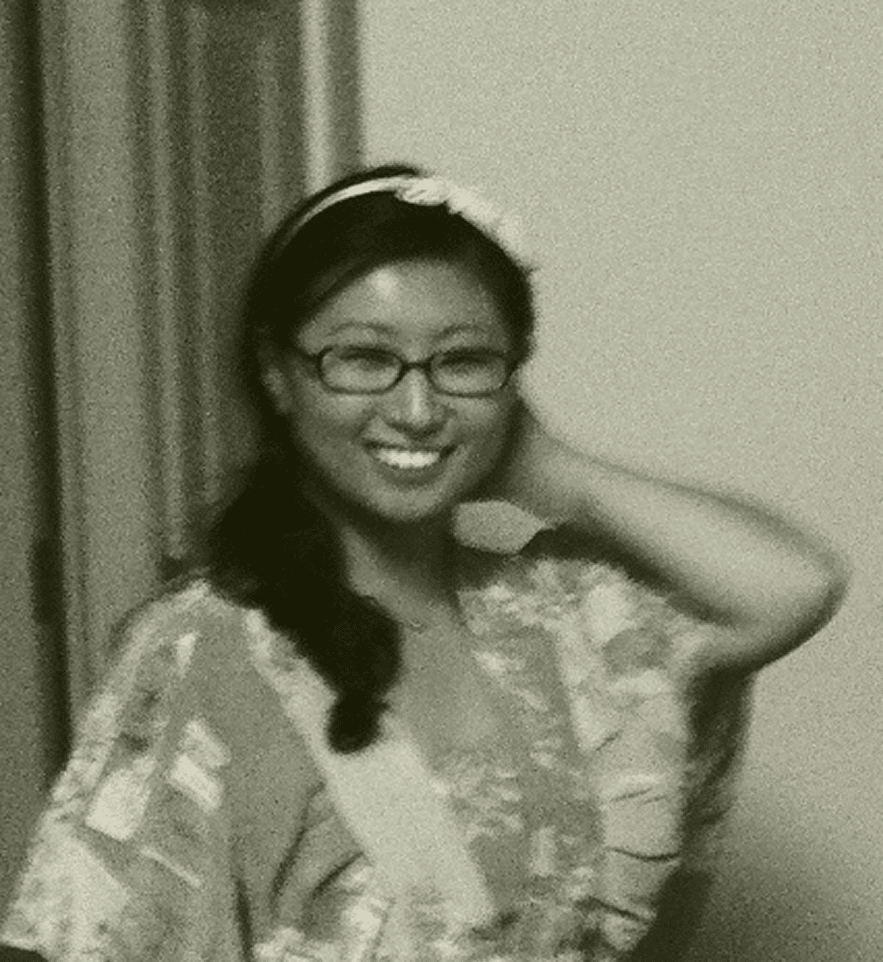
The work I do, and why I do it.
I came into this field because I'm genuinely curious about people: what they carry, what they hope for, and what gets in the way. Therapy, at its best, is a place where you can stop performing, where the parts of you that have been working overtime can finally exhale.
My role isn't to hand you a script but rather to help you slow down enough to hear yourself, and to bring notice to the patterns and pain that have been hard to overcome on your own. With empathy and direct, clear goals, we will work on breaking bad coping habits and finding more productive avenues and coping techniques. By tailoring a plan specifically for you, we will break down the larger goals into more manageable and smaller steps.
As a bicultural Asian American clinician, I hold particular care for the layered terrain of family expectation, identity, belonging, and the unique challenges one faces when straddling two different worlds. Whatever your background, your culture is welcome in the room.
Nancy Han, Psy.D,Licensed Psychologist PSY 35151

Training & experience.
Education
-
Doctorate in Clinical Psychology (Psy.D.)
American School of Professional Psychology -
Master's in Clinical Psychology
American School of Professional Psychology -
Master of Social Work
California State University, East Bay (Hayward) -
B.S. in Psychology
Saint Mary's College of California
Professional path
- Several years as a Registered Psychological Assistant in Private Practice prior to licensure.
- Postdoctoral work at The Cancer Support Community, supporting patients and families navigating cancer.
- Led the children's program for kids whose parents were facing cancer, early grief, big questions, and the gift of play as a language.
- Years in various Bay Area schools serving Contra Costa and Alameda County, building bridges between families and staff, supporting students across many cultures and learning profiles.
- Community mental health experience with diverse populations across age, income, and identity.
Empathy with direction. Strength with self-compassion.
I work from a strengths-based perspective, integrating family systems and person-centered approaches while drawing from solution-focused goals and themes, and together we shape the work in a way that fits your needs rather than using a one-size-fits-all approach.
Self-compassion as a foundation
Lasting change tends to come not from harsher self-criticism, but from learning to be on your own side while you grow.
Healthy interpersonal dynamics
Relationships are where most of our pain shows up, and where most of our healing happens. We'll pay attention to both.
Active practice between sessions
Insight in the room is only half of it. The other half is what you try, notice, and adjust during the rest of your week.
Curious whether we'd be a fit?
The first conversation is the easiest way to find out.
Let's talk